
McCabe & Mrs. Miller
The story of a gambling man and a hustling lady and the empire they fashioned from the wilderness.
Synopsis
A gambler and a prostitute become thriving business partners in a remote Old West mining town until a large corporation arrives on the scene.
Main Cast

Warren Beatty
John McCabe
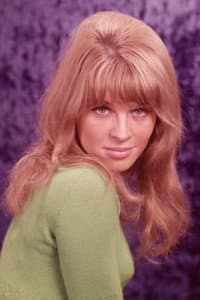
Julie Christie
Constance Miller

René Auberjonois
Sheehan

William Devane
Lawyer

John Schuck
Smalley

Corey Fischer
Mr. Elliott

Bert Remsen
Bart Coyle

Shelley Duvall
Ida Coyle

Keith Carradine
Cowboy

Michael Murphy
Eugene Sears
Trailer
User Reviews
John Chard
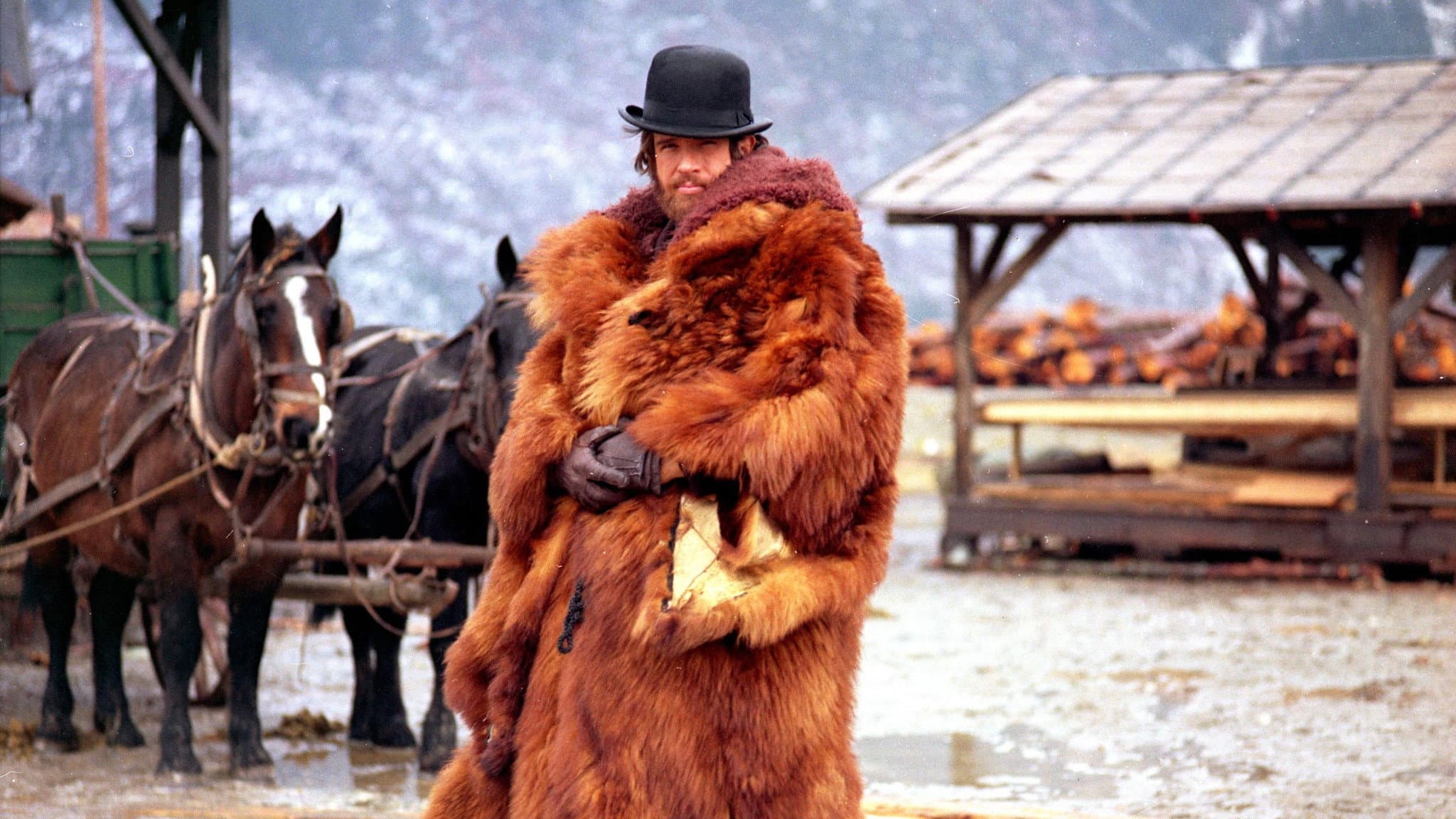
If a man is fool enough to get into business with a woman, she ain't going to think much of him. McCabe and Mrs Miller is directed by Robert Altman and Altman co-adapts the screenplay with Brian McKay. It's adapted from the novel McCabe written by Edmund Naughton. It stars Warren Beatty, Julie Christie, John Schuck, Keith Carradine, Rene Auberjonois and Bert Remson. Music is by Leonard Cohen and cinematography by Vilmos Zsigmond. A gambler and a prostitute become business partners in the remote mining town of Presbyterian Church, as their enterprise booms it comes to the attention of a large mining corporation who want to buy the action. Altman's grim and dirty slice of the Old West (Northwestern here to be precise) is a divisive picture in Western fan circles. In fact it's been said that it's more beloved by none Western fans and Altman acolytes than actual Western lovers. Put up as a flag bearer for the Anti-Western splinter, a mud and rags Oater for terminology purpose, there is no denying the quality on show across the board. Set in bleak winter time, Altman and his crew pour on the atmospherics in practically every frame, with the director using his familiar film making trademarks (overlap conversations, realistic movement of characters in framing shots etc) for maximum impact. With Cohen warbling his plaintive tunes at each story juncture, there's a haunting beauty on offer that belies the narrative thrust fronted by losers and dreamers. While Zsigmond brilliantly photographs the extreme difference between the homely feel of the interiors, with that of the cold snowy wilderness outside the doors, where the muted colours ooze period flavour. Purposely built for the film, the town of Presbyterian Church is a sea of mud, snow and timber, where the weather is perpetually dank, the surroundings enveloping chief protagonist McCabe like an unearthly portent. There are no great pyrotechnics here, and the story is being told in slow and deliberate time, which goes a long way to explaining why it is a divisive film, so any newcomers should be forewarned of this. Beatty and Christie in the title roles are superb, both defrocked of their star status beauty, they perform skilfully for realistic portrayals. Not an easy watch, but always riveting and fascinating, it for sure is a piece of art. A picture worthy of revisits when the mood is set for total immersion. 8/10
Wuchak
***Dreary, realistic Western about a brothel in a remote town in the Great Northwest*** A gambling businessman (Warren Beatty) rides into a secluded town near Puget Sound, Washington, and starts a house of ill repute with a professional madam (Julie Christie). When he arrogantly refuses the offers of a major corporation to buy him out, they send grim men to take care of the situation. Being a Robert Altman picture, “McCabe & Mrs. Miller” (1971) isn’t your typical Western, although the gunfight in the third act is reminiscent of “High Noon” (1952). The topic is unsavory, reveling in the ugly side of life and the Old West. On top of that, the first half is tediously mundane with an overuse of Leonard Cohen’s monotone folk ditties ("The Stranger Song", "Sisters of Mercy" and "Winter Lady"), although they fit the mood. There are glimmerings of light, however, and the town set is convincing, half-built for the movie. The unexciting opening sets the stage for a powerful second half. Hugh Millais as the hulking Butler is quietly menacing. There’s an unforgettable scene with Keith Carradine and Hans at a rope bridge (the latter’s name may not be Hans, but it looks like it). At the end of the day, “McCabe & Mrs. Miller” is professionally made and timeless (it’s barely aged at all). Whether or not you like it is a matter of taste. I have mixed feelings, but its positive points make it worthwhile. It’s vastly superior to Altman’s dreadful “Buffalo Bill and the Indians” (1976). At least he takes chances, even if they’re not always completely successful. The film runs 2 hours and was shot in the Vancouver area, British Columbia: West Vancouver (Presbyterian Church), Squamish (Bearpaw) & Howe Sound. GRADE: B-
CinemaSerf
The elements that are most initially striking about this drama are the cold and the filth. The photography really does immerse us in the grubbiness of the existence of these gold-miners living in squalor and drunken lawlessness amidst the snowy mountains of the American north west. It is to one such hamlet that the ambitious gambler and erstwhile gunman “McCabe” (Warren Beatty) travels full of ideas to “civilise” these folks whilst making a few bucks for himself. He hasn’t much of a clue, really, but that might change upon the arrival of the savvy madam “Mrs. Miller” (Julie Christie) who has a much better idea of how to capitalise on the constantly horny men who frequent the place either flushed with success after a strike, or more likely penniless and despairing when they come up empty. Such is the success of their enterprise that she can afford to indulge her illicit opium addiction and their operation attracts the attention of would-be purchasers whom “McCabe” rejects out of hand. These men are not to be dismissed lightly, and soon the they discover that these "investors" have their own brand of enforcers on hand to “lubricate” any deal. With their backs increasingly against the wall, “McCabe” might just have to prove his mettle with his gun rather than his mouth - but is he ready for the challenge? The bleakness aside, this also illustrates the sheer lack of humanity that prevailed amongst a population for whom life was cheaper than a bottle of bourbon. There is also an earthy sort of chemistry between Beatty and the on-form Christie who both deliver convincing and personable performances, especially the latter who’s seedy shrewdness is often presented with a degree of dark humour, too. Peppered throughout the film are some poignantly penned songs from Leonard Cohen that serve effectively as steam valves for the gradually crescendoing plot, and the supporting cast exude a grimness that, unusually, leaves only Keith Carradine deserving of any of our pity. In many ways, this isn’t so much a western as a plausible observation of life amidst the panning wilderness, and with far more conservational dialogue it offers us quite a chilling fly-on-the-wall look at how cheap just about everything was there, then.